Standard Sheets vs Cut-to-Size: Getting Concrete Reinforcing Mesh From a Reinforcement Mesh Supplier

Image Source: vsvbuildingsupplies.com.au
The selection of an appropriate reinforcement mesh for a concrete project can greatly affect the time required for completion, overall cost of the project, and final product quality. Sheet-type meshes are generally suitable for most standard projects. Mesh that is cut-to-size can minimise the amount of time spent cutting on-site, as well as the waste generated. There are several factors to consider when choosing which type of mesh to use: slab design, site configuration, and project timeline.
When you are ready to place an order from a reinforcement mesh supplier, take some time to think about how the mesh will be used in your work space. This simple planning can help to reduce difficulties associated with delivery, handling, and installation of the product.
Standard Sheets: A Practical Choice for Larger Jobs
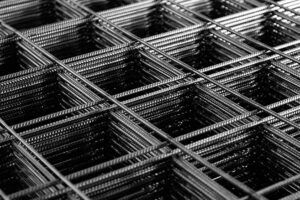
Mesh is manufactured in standard sheet sizes. These types of sheets can be used to lay out the pattern for concrete slabs, driveways, sidewalks, and other projects that have straight edges.
The primary advantage of these products is that they are readily available. This allows contractors to use standard size sheets for all of their plans and layouts. These products could be used on larger projects with multiple areas requiring the same type of mesh.
Sheet cuts may be required to fit into corner areas, small sections of a slab, or other odd-shaped slabs. Cutting the sheets will generate off-cuts and require additional labour. The correct amount of overlap between each sheet of material should also be taken into consideration as required by the engineering specifications.
Cut-to-Size Mesh: Less Work on Site
The mesh can be cut to fit a project’s size requirements, so that when you need a custom size and do not want to buy a larger sheet of mesh to cut yourself (which can lead to waste), you can get exactly what you need.
Potential benefits include:
- Less cutting while carrying out installation.
- Better fit for planned slab sections.
- Easier material planning when dimensions are confirmed.
- Less leftover mesh on suitable projects.
Accurate measurements are critical. Alterations to the slab design made after the order has been placed may cause delays or waste of materials. Prior to production verify the type of mesh, bar spacing, sheet dimension, and quantity.
Which Option Offers Better Value?
While buying the most inexpensive materials does not guarantee that your total cost will be the least, standard sheet sizes are likely to provide the most cost-effective option for large and uniform slab designs. Cut-to-size mesh could help reduce labour costs on jobs with multiple unusual design shapes.
When choosing a reinforcing mesh, there are many factors that must be taken into consideration, including but not limited to the cost of shipping/handling, the cost of labour to cut the mesh to size, and the amount of material that may be wasted during the process. In addition, you must verify that the selected mesh will meet the engineering specification and comply with the relevant Australian Standards.
VBS Building Supplies offers you another option for purchasing the materials you will need for your building project. Before you make any final purchases from any supplier, you should find out from each of them what size sheets they offer, if there are custom cutting options available, the amount of time it will take to get the products delivered (the “lead time”), and how they plan to deliver the product.
What to Confirm Before Ordering
Using the agreed-upon design specifications, verify the size of the slab, type of mesh being used, the distance between each piece of reinforcement (bars), the required amount of protection for the reinforcement, and the length of reinforcement overlap. The reinforcement mesh should be placed in the proper location prior to the placement of concrete.
The project engineer is still responsible for design specifications, but a good reinforcement mesh supplier will assist in defining product specifications and providing shipping information.
Make the Order Fit the Job
Standard sheets are fine for a lot of basic jobs. But if you have something that has a lot of angles, then a cut to size mesh will probably be better. Which one is best for you will depend on how much money you want to spend, what size your job is and what kind of space you are working in.
When you choose the proper concrete reinforcing mesh at an early stage, it will enable you to plan your materials more effectively, minimise unnecessary waste, and maintain your construction schedule.