How Often Should You Replace SEBO Vacuum Bags and Filters?
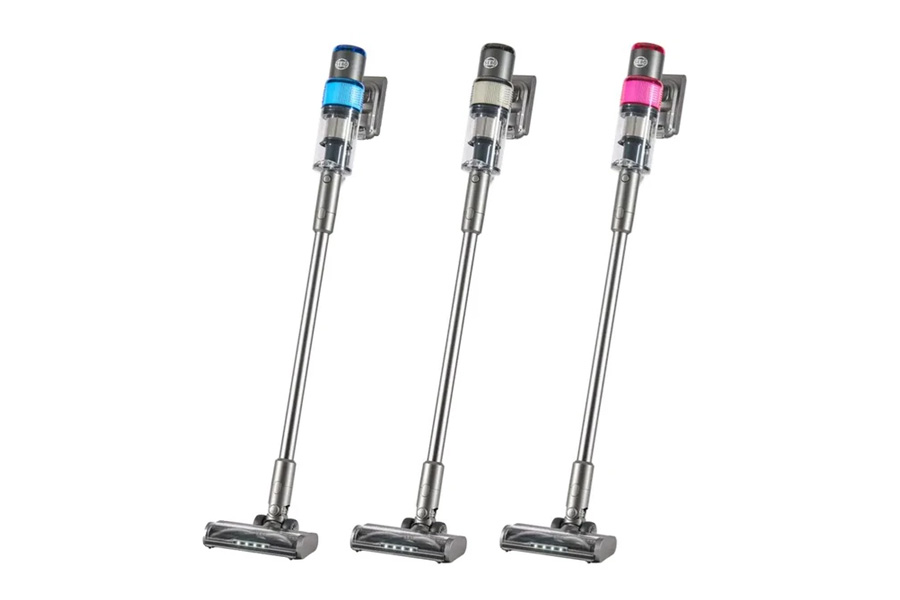
Image Source: classicvac.com
SEBO vacuum cleaners are designed for long-term use, but regular maintenance is essential to keep them cleaning effectively. One of the most important maintenance tasks is knowing when to replace the vacuum bags and filters.
SEBO vacuum bags should be replaced when the bag-full indicator signals that the bag is full or when inspection shows that it needs changing. SEBO recommends replacing filters approximately every 10 to 20 bags, depending on usage and the type of dirt collected. If a bag or filter becomes excessively dirty sooner, replace it without waiting for the recommended interval.
Replacing these components at the right time helps maintain airflow, cleaning performance, and effective filtration. Whether you own a SEBO upright vacuum or a canister model, understanding the replacement schedule can help you maintain your machine and avoid unnecessary maintenance problems.
In this guide, we explain how often to replace SEBO vacuum bags and filters, the warning signs to watch for, and how to choose the correct replacement parts.
How Often Should You Replace SEBO Vacuum Bags?
SEBO recommends changing vacuum bags when they are full rather than following a rigid calendar-based schedule. Many SEBO models include a bag-full indicator to help you determine when a replacement is needed.
The frequency depends on how often you vacuum, the size of your home, the number of occupants, and the amount of dust, hair, and other debris your vacuum collects.
For example, a household with several pets may fill a bag faster than a household with hard floors and minimal foot traffic. Similarly, a home undergoing renovation may collect more dust than usual, requiring more frequent bag changes.
Signs That Your SEBO Vacuum Bag Needs Replacing
The bag-full indicator activates: Replace the bag when your vacuum’s indicator signals that it is full, following the instructions in your model’s manual.
Suction performance decreases:
A full bag can restrict airflow and reduce cleaning effectiveness.
The bag appears full during inspection:
Certain types of debris may fill the bag unevenly, so a visual check can help.
The vacuum collects unusually fine dust:
Fine particles can restrict airflow before the bag reaches its apparent capacity.
An unpleasant odor develops:
Dust, hair, and organic debris can contribute to odors as they accumulate in the bag.
A bag-full indicator is useful, but it should not be your only guide. Inspect the bag as well, particularly when it contains debris that may affect airflow differently.
How Often Should You Replace SEBO Vacuum Filters?
SEBO recommends replacing vacuum filters after approximately 10 to 20 filter bags have been used. The exact interval depends on operating time, the type of debris collected, and the specific filter system installed in your model.
Filters capture fine particles that pass through the vacuum’s bag and help protect internal components while maintaining the machine’s filtration performance. Over time, accumulated dust can clog the filter material and restrict airflow.
Replacing filters when needed helps your vacuum maintain consistent performance and prevents dirty filters from becoming a maintenance issue.
Typical SEBO Filter Replacement Schedule
| Component | General replacement guideline |
| Filter bag | When the bag-full indicator activates or inspection indicates it is full. |
| Motor protection filter | Approximately every 10 to 20 bags, depending on the model. |
| Exhaust filter | Approximately every 10 to 20 bags for many models; follow your model’s manual. |
| Complete filter set | According to the recommended interval for the individual filters in your model. |
These are general guidelines, not a universal schedule for every SEBO vacuum. Some models use different filter arrangements or replacement instructions. Check your owner’s manual before ordering or replacing a component.
What Is the Difference Between a SEBO Motor Filter and an Exhaust Filter?
1. Motor protection filter
This filter helps prevent fine dust from reaching the vacuum motor. Replace it according to your model’s maintenance instructions, generally after 10 to 20 bags or sooner if it becomes excessively dirty.
2. Exhaust filter
The exhaust filter captures fine particles from the air leaving the vacuum. Replace it at the interval specified for your model to maintain effective filtration.
3. HEPA or other high-efficiency filter
Some SEBO models and filter kits offer HEPA filtration options. These filters are designed to capture very fine airborne particles. Their replacement requirements depend on the specific model and filter configuration.
Not every SEBO vacuum uses the same filter arrangement. Before purchasing a replacement, identify your model and check which filters it requires.
What Happens If You Don’t Replace SEBO Vacuum Bags and Filters?
1. Reduced Suction Power
A full bag or clogged filter can restrict airflow through the vacuum. This may make it harder to collect dirt, dust, and debris from carpets and hard floors. If your SEBO vacuum is not picking up dirt as effectively as before, check the bag and filters first.
2. Poor Cleaning Performance
When airflow is restricted, the vacuum may struggle to collect debris efficiently. You may need to make additional passes over the same area, particularly in high-traffic carpeted spaces. Replacing a full bag or excessively dirty filter is a sensible first step before assuming the vacuum has developed a mechanical problem.
3. Unpleasant Vacuum Odors
Vacuum bags collect dust, hair, pet dander, and other organic debris. As these materials accumulate, they can contribute to unpleasant smells. If your vacuum develops an odor, replace the bag if necessary and inspect the filters. If the smell persists, check for debris or a blockage and consult your vacuum’s maintenance instructions.
4. Additional Strain on the Vacuum
Restricted airflow can affect the vacuum’s operating performance. Keeping the bag and filters in good condition helps the machine operate as intended and reduces the risk of problems associated with neglected maintenance. However, weak suction is not always caused by a full bag or dirty filter. A blocked hose, obstructed airflow path, or worn component may also be responsible.
5. Reduced Filtration Effectiveness
Filters accumulate particles during normal operation. When they become excessively dirty or clogged, filtration and airflow may be affected. Regular replacement helps maintain the filtration system’s intended performance, especially in households where dust, pet hair, and fine debris accumulate quickly.
How to Know When Your SEBO Vacuum Needs a New Bag or Filter
Use the following checklist when your vacuum’s performance changes or when you perform routine maintenance.
Check the bag-full indicator:
If the indicator signals a full bag, inspect and replace the bag as directed.
Inspect the dust bag:
Look for a full or densely packed bag, especially after collecting fine dust.
Check the filters:
Inspect accessible filters for heavy dust buildup and follow the model’s replacement instructions.
Check the hose and airflow path:
Look for obstructions if suction remains weak after changing the bag.
Check the brush roller:
Remove accumulated hair and fibers, and inspect the bristles for wear.
If you have replaced the bag and checked the filters but suction remains weak, consult your owner’s manual or a qualified vacuum service professional.
How to Replace SEBO Vacuum Bags and Filters
Replacing these components is usually straightforward, but the exact procedure varies by model. Always switch off and unplug the vacuum before performing maintenance.
Steps to Replace a SEBO Vacuum Bag
Switch off the vacuum. Disconnect the power plug before opening the bag compartment.
Open the bag compartment. Follow your model’s instructions to release the cover.
Remove the used bag. Handle it carefully to avoid spilling accumulated dust.
Seal and dispose of the bag. If your bag has a sealing mechanism, use it as instructed.
Install a compatible replacement. Ensure the collar or connector is seated correctly.
Close the compartment. Check that the cover is fully secured before switching the vacuum on.
SEBO vacuum bags are disposable and should not be emptied, washed, or reused. Attempting to reuse bags may compromise performance.
Steps to Replace SEBO Vacuum Filters
- Turn off and unplug the vacuum.
- Identify the motor protection and exhaust filters using your owner’s manual.
- Open the relevant filter compartment according to the model-specific instructions.
- Remove the old filter without spreading accumulated dust.
- Install the correct replacement filter in the indicated orientation.
- Refit all covers and check that the components are secured correctly.
SEBO filters are not designed to be washed. Washing them can damage their effectiveness, so replace them as directed rather than attempting to clean and reuse them.
How to Choose the Right SEBO Replacement Bags and Filters
Choosing compatible replacement parts is just as important as replacing them on time. Consider these factors before ordering:
Your vacuum model:
Check the model name and number on your machine or in the owner’s manual.
Bag compatibility:
SEBO bags are designed for particular models and product families. A bag that looks similar may not fit correctly.
Filter configuration:
Confirm whether your machine requires a motor protection filter, exhaust filter, HEPA filter, or a particular service kit.
Genuine replacement parts:
Genuine bags and filters from reputable or authorized sources help support proper fit and performance.
Check the product details against your vacuum model before purchasing replacement components.
Frequently Asked Questions About SEBO Vacuum Bags and Filters
1. How often should I change my SEBO vacuum bag?
Change your SEBO vacuum bag when the bag-full indicator activates or when inspection shows it is full. Homes with pets, heavy foot traffic, or significant dust buildup may require more frequent changes.
2. How many bags can I use before replacing a SEBO filter?
SEBO recommends replacing filters after approximately 10 to 20 bags, depending on usage and the type of debris collected. Replace excessively dirty filters sooner and follow the instructions for your specific model.
3. Can I wash and reuse SEBO vacuum filters?
No. SEBO filters are not designed to be washed. Washing can damage their effectiveness, so follow the manufacturer’s replacement instructions.
4. Can I reuse a SEBO vacuum bag if it is only partly full?
No. SEBO vacuum bags are disposable and are not designed to be emptied and reused. Install a new compatible bag when replacement is needed.
5. Why is my SEBO vacuum losing suction after changing the bag?
Check whether the new bag is correctly installed. If suction remains weak, inspect the filters, hose, attachments, and airflow path for blockages. Follow your model’s troubleshooting instructions if the problem persists.
6. Should I replace both SEBO filters at the same time?
That depends on the model and filter kit. Some service boxes contain multiple filters along with replacement bags, making it convenient to complete routine maintenance together. Check your owner’s manual and the service kit’s contents before ordering.
7. How often should pet owners replace SEBO vacuum filters?
Pet owners may need to replace filters more frequently because hair, dander, and other organic debris can contribute to buildup and odors. Use the standard 10-to-20-bag guideline as a starting point, inspect filters regularly, and replace them sooner if needed.
8. Where can I buy replacement SEBO vacuum bags and filters?
You can purchase compatible replacement bags and filters from authorized SEBO dealers and reputable vacuum parts retailers. Classic Vacuum offers a selection of SEBO bags, filters, and accessories. Confirm compatibility with your model before ordering.
Conclusion
Replacing SEBO vacuum bags when they are full and changing filters after approximately 10 to 20 bags are two simple ways to maintain cleaning performance. Regular inspections, correct replacement parts, and prompt attention to airflow problems can help keep your vacuum working as intended.
If you need replacement SEBO vacuum bags, filters, or other maintenance accessories, Classic Vacuum offers a range of SEBO parts to help you care for your machine. Choose compatible replacement components for your model to keep your vacuum ready for everyday cleaning.