What Liquid Should You Put in Your Ultrasonic Cleaner?
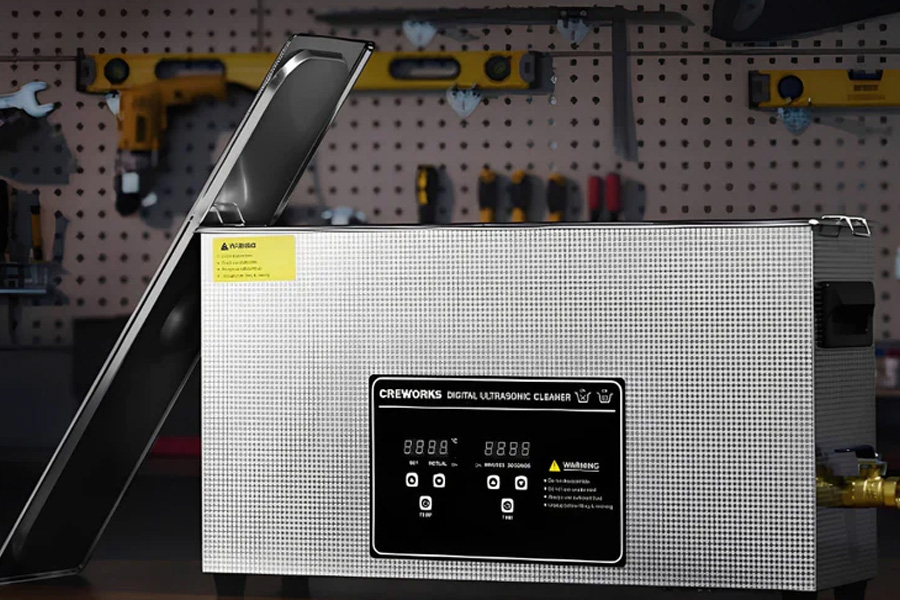
Image Source: www.creworksequipment.com
You’ve got the machine. You’ve got the dirty parts. Now comes the big question: Do you just fill it with tap water?
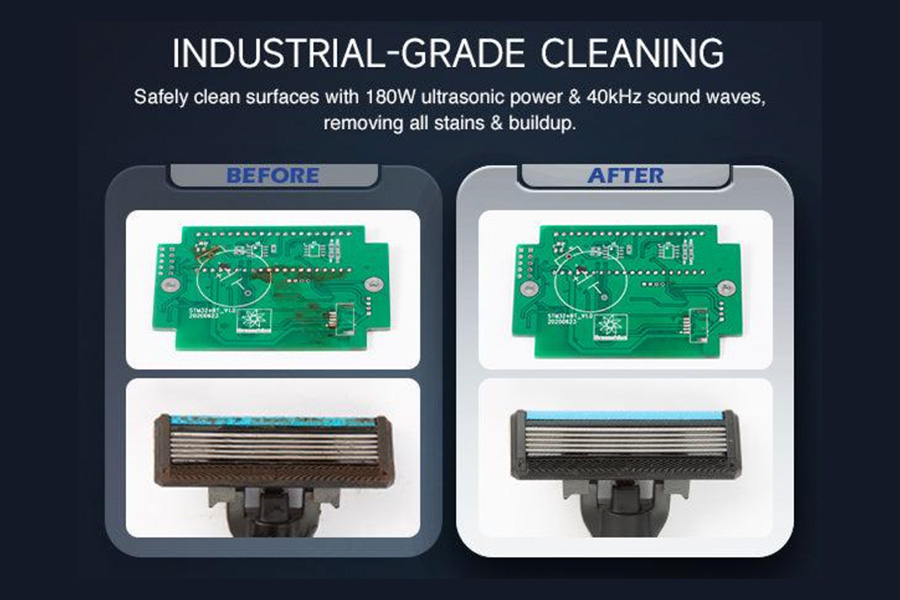
At Creworks, we get this question more than any other. While the “magic” of ultrasonic cleaning comes from high-frequency sound waves, the liquid is what actually carries that energy to your items. Choosing the right fluid is the difference between a “surface rinse” and a “factory-new deep clean.”
Here is our definitive guide on what to pour into your tank (and what to keep far away).
1. The “Everyday” Mix: Water + Dish Soap
For 80% of household cleaning, you don’t need a PhD in chemistry.
Best for:
Eyeglasses, jewelry (diamonds, gold, silver), waterproof watches, and small household hardware.
The Recipe:
Use warm tap water and add 2–3 drops of a high-quality dish soap (like Dawn).
Why it works:
The soap acts as a surfactant, breaking the surface tension of the water. This allows the cavitation bubbles to form more easily and “stick” to the grime.
2. The Heavy-Duty Degreaser
If you’re a DIY mechanic or a hobbyist cleaning engine parts, carburetors, or bicycle chains, dish soap won’t cut it.
Best for:
Greasy tools, carburetors, fuel injectors, and oily machined parts.
The Recipe:
Mix water with a concentrated degreaser like Simple Green or Purple Power at a 10:1 ratio.
Creworks Tip:
If you are cleaning aluminum, make sure your degreaser is “aluminum safe.” Some high-pH cleaners can darken or pit aluminum if left in too long.
3. Specialized Solutions
Sometimes a specific job requires a specific chemical “nudge.”
Brass & Copper:
Use a specialized brass cleaning concentrate. This is a favorite for hobbyists cleaning brass shell casings for reloading or restoring antique hardware.
Oxidation & Rust:
A mild citric acid solution can help eat away at surface rust while the ultrasonic bubbles scrub the flakes off.
Medical & Dental:
For retainers, mouthguards, or dentures, use an enzymatic cleaner or a specialized denture tablet to break down proteins and bacteria.
The “Never” List: Protect Your Machine (and Yourself)
Using the wrong liquid can destroy your Creworks unit or create a safety hazard. Never use:
Flammable Liquids:
Never put gasoline, alcohol, or mineral spirits directly in the tank. The ultrasonic energy creates heat, and the vapor can ignite.
Bleach:
Bleach is the enemy of stainless steel. It causes “pitting,” which will eventually lead to your tank springing a leak.
Strong Acids:
Unless you are using an indirect cleaning method (placing the acid in a glass beaker inside the water-filled tank), strong acids will corrode the basin.
How to Get “Pro” Results
To get the most out of your Creworks cleaner, follow these three golden rules:
Degas the Liquid:
Fresh water is full of tiny air bubbles. These bubbles act like tiny pillows that “cushion” the cleaning power. Run your machine for 5–10 minutes before putting your items in to “degas” the water.
Use the Heater:
Heat thins out oil and grease. Most Creworks models allow you to heat the water up to 60°C (140°F). This significantly speeds up the chemical reaction of your cleaning solution.
Don’t Overcrowd:
The liquid needs to circulate. If you pile parts on top of each other, the “shadowed” areas won’t get cleaned.
Summary Table
| Item to Clean | Recommended Liquid |
|---|---|
| Jewelry / Glasses | Water + Dish Soap |
| Carburetors / Tools | Water + Degreaser (Simple Green) |
| Brass Casings | Specialized Brass Cleaner |
| Retainers / Dentures | Water + Enzymatic Tablet |
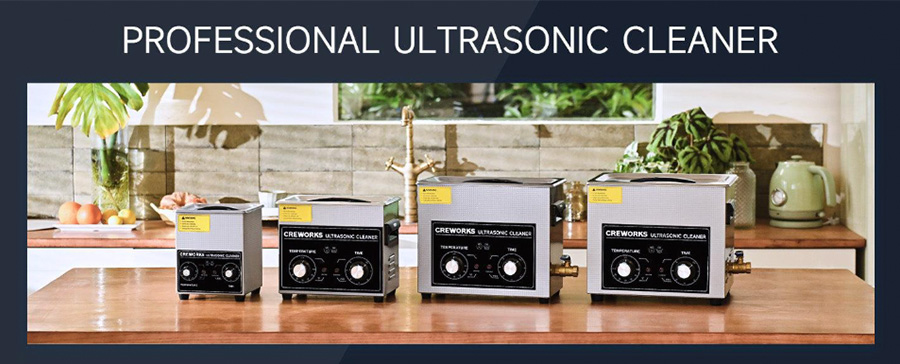
Ready to start your next project? Check out our full range of Creworks Ultrasonic Cleaners to find the perfect size for your workshop or home.