Cracks, Leaning and Soggy Soil: Checking Your Retaining Wall After Winter Rain
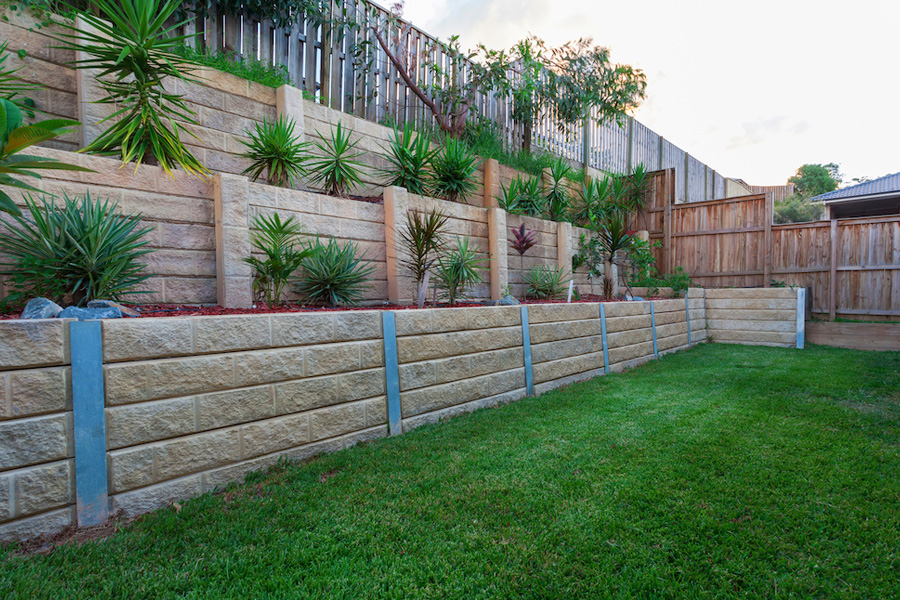
Image Source: www.americanprecastfences.com
The wet weather of winter can put a retaining wall under more pressure than you realise. Water collects in the soil behind the wall, creating additional loading. When drainage is poor or the structure is weakened, cracks will follow along with leaning and soil movement.
Periodically checking after heavy rain can alert you to warning signs early on. Answering to it quickly can avoid additional damage and preserve your yard and driveway, as well as nearby structures safe.
Search for New Cracks and Changes
You check your wall from a safe distance. Observe the walls for any cracks, gaps between the blocks, or any sections that have shifted out of place.
Not all small surface cracks in walls indicate that failure is imminent. Now, fissures that widen beyond the tip of a cave-in or in clusters associated with other bemusing changes need to be investigated.
Look on the ground right near the top of the wall. Cracks in the soil, sinking paving, or gaps around paths nearby may indicate movement at the back of the buildings.
You need to pay attentions to the signs of failing retaining walls in Box Hill, especially after a heavy rain period. A proper inspection can find out if damage is cosmetic or related to pressure, drainage, or structural displacement.
Check for Leaning or Bulging
Retaining walls are structures which hold. If it begins to deflect or bulging in the centre, it is likely overabundant.
Stick to a stable reference point, like a fence post or structure in the vicinity that will help track changes as the seasons come and go. Do not exert force on that wall nor try to hold the wall strait yourself.
Watch for these warning signs:
- A more tilted wall than before.
- Misalignments of blocks/bricks.
- Sections that bulge or separate.
- Moved with wall, fences, posts, or garden edges.
If the wall is moving rapidly, looking as if it may come down and/or has large cracks then keep people away from the area immediately and obtain urgent professional advice.
Examine Waterlogged Soil and Insufficient Drainage
Much of the soil that retains moisture will become heavy as a result, especially when it starts raining. If the wall is not suitably drained or if existing drainage holes are blocked, water pressure may build up behind the wall.
Examine for pools of water near the wall, muddy patches, or consistent dampness in unusual locations, or if water is rushing through small holes. Find out if downpipes or garden drains are leading water towards the retaining soil.
Do not try to dig behind the wall and find out what is wrong. Digging can also destabilise soil and create a bigger hazard when it comes to an unstable wall.
To check drainage after winter, look for properties that have retaining walls in Mount Waverley. Such a professional can examine everything from the wall to the drainage system and surrounding ground to determine potential problems.
Know When to Arrange Repairs
Hesitate before putting up a wall that would need help to collapse. A course correction while your lie detector is still working may allow you to repair it rather than rebuild burning parts.
An expert may suggest clearing appropriate drainage outlets, improving water management, repairing damaged areas, or rebuilding sections of the wall. Which is the suitable option amongst them varies from wall to wall based on: 1) design of the wall, 2) condition of the wall, and 3) reason for movement.
Protect Your Property After Winter
When clear signs of movement appear, a retaining wall requires more than just a visual inspection. From a safe distance, record the changes with photos, and if you see any cracks, leaning, or continuously wet soil at home, arrange an inspection.
If you have retaining walls in Box Hill or retaining walls in Mount Waverley, then after heavy rains go out and check the structure so that you can tackle issues before it gets worse and safeguard wherever it is built in your property.