What to Expect When Living in Your Home During Basement Underpinning
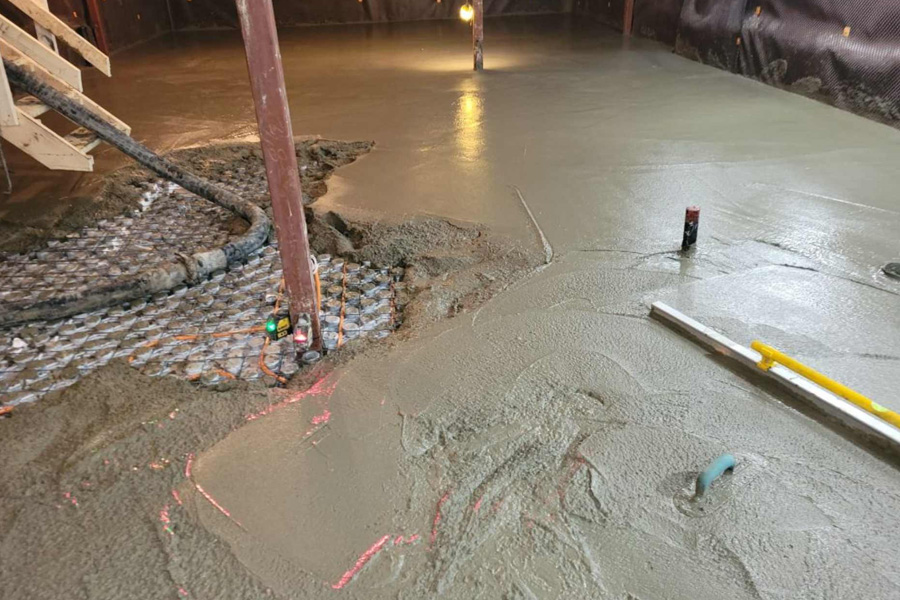
Image Source: concretemaster.ca
The decision to lower your basement through structural underpinning is an exciting milestone. It represents the start of a major transformation that will unlock significant living space, stabilize your foundation, and add lasting financial value to your property. However, once the engineering plans are finalized and the building permits are posted in the window, homeowners face a very practical question: what is it actually like to live in a house while the earth directly beneath your feet is being excavated?
Underpinning is one of the most intensive structural processes in residential construction. The idea of living on the main floor while an excavation crew works in the basement can naturally feel intimidating. The good news is that thousands of homeowners live on-site through underpinning projects every year. With realistic expectations, proper site management, and clear communication with your project crew, living at home during an underpinning project is entirely manageable and routine.
Phase-by-Phase Project Breakdown
Understanding the sequential steps of an underpinning project helps eliminate surprise and allows you to adjust your family’s daily routines accordingly.
Phase 1: Site Setup and Concrete Breaking (Week 1)
The first phase is often the most disruptive in terms of noise. During this week, the crew prepares the site, installs protective dust barriers, and breaks up the existing basement floor slab using electric or pneumatic jackhammers. This phase creates significant noise and vibration throughout the home. Work is typically concentrated during regular daytime working hours to minimize disruption to your morning and evening routines.
Phase 2: Excavation and Staged Pinning (Weeks 2 to 4)
Once the old slab is cleared, the manual labor begins. Crews hand-dig individual three-to-four-foot sections, called “pins,” directly beneath your existing footings. The excavated soil is loaded into buckets or small wheelbarrows and transported out of the basement—either through a ground-level window, a walkout door, or an exterior chute. During this phase, noise levels drop significantly compared to the initial demolition week, shifting to steady, ambient construction activity.
Phase 3: Formwork, Steel Reinforcement, and Concrete Pours (Weeks 4 to 6)
As each pin is excavated to the designed depth, crews construct timber formwork, install steel rebar, and pour high-strength concrete to extend the foundation downward. Concrete deliveries require clear access to your driveway or front street. You will notice brief periods of activity when concrete trucks arrive, followed by quiet days while the new concrete piers undergo structural curing.
Phase 4: Underground Plumbing, Drainage, and Slab Finishing (Weeks 6 to 8)
With the structural underpinning piers complete, the crew prepares the new floor level. New underground plumbing lines are installed, a fresh layer of crushed gravel is spread, interior drainage membranes and weeping tiles are laid, and a thick vapour barrier is put in place. Finally, a new, smooth concrete floor slab is poured. By the end of this phase, the heavy structural work is complete, leaving you with a clean, dry, high-ceiling shell ready for interior framing and finishing.
Managing Daily Disruptions: Noise, Dust, and Utilities
Living above an active construction site requires a few practical strategies to maintain comfort and keep your living environment clean.
Controlling Construction Dust
Dust management is the single most important factor for living on-site comfortably. Fine concrete and soil dust will naturally try to migrate upward. Professional contractors take strict containment steps, including:
- Installing heavy-duty plastic zipper walls at the top of basement stairwells.
- Sealing off cold-air return vents in the basement to prevent dust from circulating through your home’s forced-air heating or cooling system.
- Utilizing negative air machines with HEPA filtration units in the basement to pull airborne dust directly outside.
As a homeowner, setting up a secondary dust-buffer zone at your main-floor entry, replacing your furnace filters more frequently during construction, and keeping upper-floor doors closed will keep your living quarters clean.
Navigating Noise Levels
Noise is an unavoidable aspect of heavy structural work, particularly during the initial concrete demolition phase. The peak noise periods occur during jackhammering and when concrete delivery trucks are operating. The hand-digging and formwork phases, by contrast, are remarkably quiet. If you work from home, planning to work from an upper floor, using noise-canceling headphones, or arranging to work remotely during the initial concrete-breaking days makes a world of difference.
Managing Temporary Utility Disruptions
Because underpinning involves excavating beneath the existing structure, utility lines—such as main water supply lines, sewer drains, and gas pipes—may need to be temporarily relocated or protected. Essential utility disruptions are usually brief, lasting only a few hours during scheduled plumbing hookups or main drain upgrades. Your contractor will give you advance notice before any planned utility shut-off so you can plan accordingly.
Tips for a Smooth Co-Existence
A little preparation goes a long way toward ensuring a stress-free project experience:
Clear Driveway Access:
Keep your driveway clear for soil disposal bins, material deliveries, and concrete trucks during scheduled work days.
Protect Valuables on the Main Floor:
While underpinning is carefully engineered to prevent structural settlement, removing fragile glass or wall art from main-floor walls during the initial demolition phase provides extra peace of mind.
Establish Daily Communication:
Set a brief daily or weekly check-in schedule with your site supervisor. Knowing when concrete pours or utility cut-offs are scheduled keeps your household running smoothly.
Living in your home during basement underpinning is a temporary inconvenience that yields a lifetime of benefits. By preparing your living space, understanding the project phases, and maintaining clear communication with your crew, you can comfortably navigate the renovation process and watch your home’s value and square footage expand right beneath your feet.