The Ultimate Guide to Ultra Violet Clarifiers: Improve Pond Water Quality and Clarity
Welcome to the ultimate guide to ultra violet clarifiers for ponds. If you are a pond owner looking to improve water quality, maintain a healthy aquatic environment, and achieve crystal-clear pond water, this guide is for you.
Ultra violet clarifiers have transformed pond maintenance by effectively reducing harmful bacteria, algae, and other unwanted impurities in pond water. In this complete guide, we will explore how ultra violet clarifiers work, their key benefits, and how to choose the best option for your pond setup. You will also discover helpful installation tips, maintenance advice, and troubleshooting solutions to keep your pond healthy and visually appealing throughout the year.
Whether you are an experienced pond enthusiast or new to pond keeping, this guide will provide valuable information to help you make informed decisions and create a thriving aquatic environment for your fish and pond plants.
How Do Ultra Violet Clarifiers Work?
Ultra violet clarifiers are an effective solution for maintaining clean and healthy pond water. These systems use ultraviolet light to eliminate harmful bacteria, algae, and microscopic impurities, helping keep pond water balanced and clear.
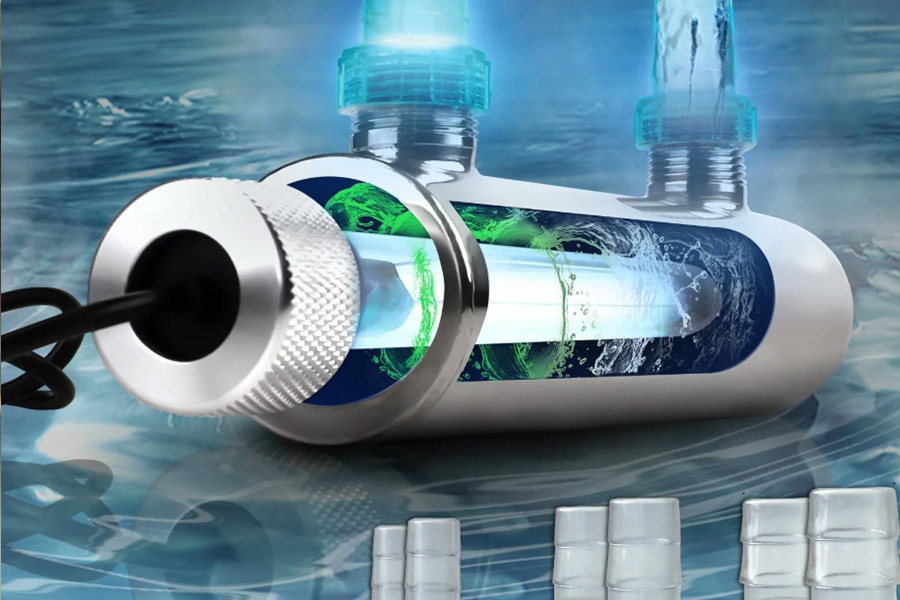
The process begins as pond water flows through a quartz sleeve containing a UV lamp. As the water passes the lamp, ultraviolet light penetrates the cells of algae and microorganisms, preventing them from reproducing. This helps control algae growth and reduces harmful bacteria, creating a healthier pond ecosystem. The treated water then returns to the pond, resulting in improved clarity and better water conditions for fish and aquatic plants.
There are several important factors to consider when selecting an ultra violet clarifier for your pond. First, determine the correct size based on your pond volume. Clarifiers are commonly measured in watts, with larger ponds requiring higher wattage systems for effective treatment.
You should also consider the flow rate of your pond filtration system. Choosing a clarifier that matches the water flow ensures optimal exposure to ultraviolet light and maximum performance. Additional features such as maintenance indicators or replacement reminders can also make upkeep easier and improve long-term efficiency.
In terms of installation, ultra violet clarifiers are generally positioned after the pond’s mechanical and biological filtration systems. This allows the water to be pre-filtered before ultraviolet treatment, increasing overall effectiveness. Most clarifiers can be integrated into existing pond systems either inline or as separate units. Always follow the manufacturer’s installation guidelines and perform regular maintenance such as cleaning the quartz sleeve and replacing the UV lamp as recommended.
Benefits of Using Ultra Violet Clarifiers in Ponds
Using ultra violet clarifiers in ponds offers several benefits that improve both water quality and overall pond health.
One of the primary advantages is controlling harmful bacteria and algae. Excessive algae growth and bacterial buildup can create unpleasant odors, poor water clarity, and unhealthy conditions for fish. Ultra violet clarifiers help reduce these problems by limiting the growth of harmful microorganisms.
Another major benefit is the prevention of green water caused by algae blooms. Algae blooms can quickly make pond water cloudy and unattractive while also reducing oxygen levels in the water. Ultra violet clarifiers interrupt the algae reproduction cycle, helping maintain clear and balanced pond water.
These systems also improve water clarity by breaking down organic matter suspended in the pond. Cleaner water enhances the visual appeal of the pond and allows better visibility of fish, aquatic plants, and decorative pond features.
Additionally, ultra violet clarifiers help reduce the need for chemical pond treatments. By naturally controlling algae and bacteria, pond owners can minimize chemical usage and create a more environmentally friendly pond ecosystem.
Overall, ultra violet clarifiers provide an efficient and reliable way to maintain healthy pond water, improve clarity, and support a thriving aquatic environment.
Factors to Consider Before Purchasing an Ultra Violet Clarifier
Before purchasing an ultra violet clarifier for your pond, there are several important considerations to keep in mind to ensure you choose the right system for your needs.
The first factor is pond size. Ultra violet clarifiers are available in different wattages, and selecting the correct size is essential for effective treatment. A clarifier that is too small may not adequately control algae, while an oversized system may consume unnecessary energy.
Next, evaluate the flow rate of your pond filtration system. Flow rate, typically measured in liters per hour, determines how quickly water passes through the clarifier. The water must remain exposed to ultraviolet light long enough for effective treatment.
Durability and build quality are also important. Look for clarifiers made from weather-resistant materials that can withstand outdoor conditions and provide long-lasting performance.
Ease of maintenance should also be considered. Some clarifiers include convenient features such as maintenance indicators, easy-access cleaning systems, or quick lamp replacement options.
Finally, determine your budget. While lower-cost options may seem attractive, investing in a durable and efficient clarifier can reduce long-term maintenance costs and provide better performance over time.
Popular Ultra Violet Clarifier Systems for Backyard Ponds
One of the most popular choices for backyard ponds is a complete filtration system that combines ultraviolet clarification, biological filtration, and mechanical filtration into a single compact unit.
These systems help maintain crystal-clear pond water by effectively removing debris, controlling algae, and supporting beneficial bacteria growth. Many models are designed to blend seamlessly into the garden landscape and include user-friendly maintenance features such as cleaning indicators and quick-release access.
Pressure filter systems are also suitable for powering elevated streams, waterfalls, and decorative pond features, making them a versatile solution for many pond designs.
Compact internal filtration units are another effective option for smaller ponds. These systems combine mechanical and biological filtration with ultraviolet clarification in a space-saving design. Many also include fountain attachments to create decorative water displays while improving water circulation and oxygenation.
Economical ultraviolet clarifiers are available for small and medium backyard ponds. These systems effectively reduce green water and are generally safe for fish and aquatic plants. Replacement bulbs and spare parts are often available, and UV lamps are typically recommended for replacement every 12 months to maintain performance.
Installation and Maintenance of Ultra Violet Clarifiers
Installing and maintaining an ultra violet clarifier correctly is essential for achieving the best pond water quality.
When installing a clarifier, always follow the manufacturer’s instructions carefully. Most systems are installed after mechanical and biological filtration to ensure the water is properly pre-filtered before ultraviolet treatment.
Regular maintenance is equally important. One key task is cleaning the quartz sleeve that protects the UV lamp. Over time, mineral deposits and organic buildup can reduce the effectiveness of ultraviolet light, so regular cleaning helps maintain optimal performance.
Replacing the UV lamp according to the manufacturer’s recommendations is also essential. Although the lamp may continue to emit light after extended use, its ultraviolet output can weaken over time, reducing effectiveness.
Regularly inspect the system for signs of reduced performance, algae growth, or cloudy water. Addressing issues early helps maintain a healthy and visually appealing pond environment.
Common Misconceptions About Ultra Violet Clarifiers
There are several common misconceptions about ultra violet clarifiers that can cause confusion among pond owners.
One misconception is that ultraviolet clarifiers are harmful to fish and pond plants. In reality, these systems are designed to safely treat free-floating algae and microorganisms without harming aquatic life.
Another misconception is that ultra violet clarifiers are only necessary for large ponds. In fact, ponds of all sizes can benefit from improved water clarity and algae control.
Some pond owners also believe that ultraviolet clarifiers replace mechanical and biological filtration. While clarifiers are highly effective, they work best when combined with other filtration systems for complete pond maintenance.
There is also a belief that these systems consume excessive electricity. Modern ultraviolet clarifiers are generally energy-efficient and offer long-term benefits that outweigh their minimal power usage.
It is important to note that ultraviolet clarifiers primarily target free-floating algae responsible for green water. Algae attached to pond walls and surfaces may still require manual cleaning or additional pond maintenance.
Alternative Pond Health and Water Clarifying Solutions
While ultra violet clarifiers are highly effective for improving pond water quality, there are additional solutions that can help maintain a healthy pond environment.
Beneficial bacteria treatments can help break down organic waste, reduce excess nutrients, and improve biological balance within the pond ecosystem. These treatments support cleaner water and can help reduce algae growth naturally.
Water clarifying products can also assist by binding fine particles together so they settle at the bottom of the pond, where they can be removed through cleaning or vacuuming.
Combining multiple pond maintenance methods can create a healthier, clearer, and more balanced aquatic environment for fish, plants, and other pond life.